At SJ Dynamics, we supply and install a full range of UPS and inverter batteries designed to keep your systems running during power interruptions. Batteries are the backbone of any backup power solution, whether paired with UPS systems, solar installations, or generators. Choosing the right battery technology ensures reliable performance, longer service life, and better value.
Lead Acid Batteries
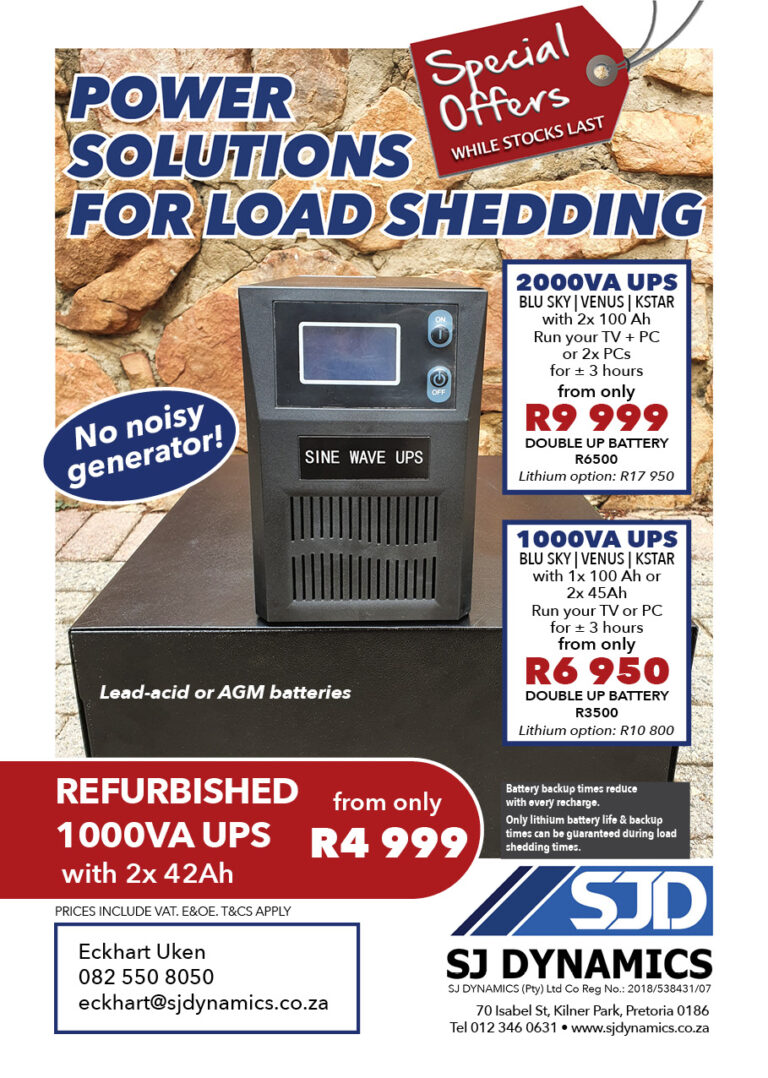
The most common option for UPS systems, sealed lead acid (SLA or VRLA) batteries are maintenance‑free and widely available. Semi‑sealed batteries are cheaper but offer fewer cycles and shorter lifespans. With load shedding now a regular occurrence, many users are moving away from semi‑sealed options toward more durable technologies.
Gel Batteries
Gel batteries are filled with a gel electrolyte, making them more robust and resistant to extreme temperatures, corrosion, shock, and vibration. They are ideal for demanding environments where durability is critical.
Absorbent Glass Mat (AGM) Batteries
AGM technology provides faster recharge times and higher cycle life compared to standard SLA batteries. They are well‑suited for applications requiring frequent charge‑discharge cycles and consistent performance.
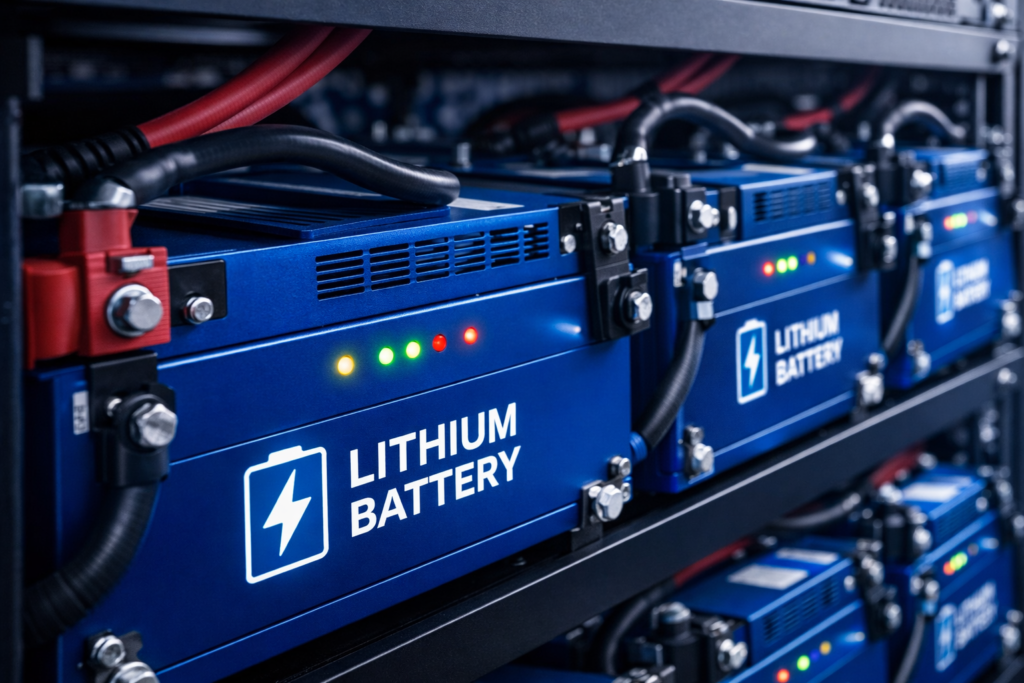
Lithium Batteries
Lithium batteries have become increasingly popular as prices have dropped. Although more expensive upfront, they deliver exceptional value with:
- Service life of 10+ years
- 3,000+ charge‑discharge cycles
- Faster recharge times
- Remote monitoring capabilities
- Scalability — additional batteries can be added later
Lithium technology is now the preferred choice for long‑term, high‑performance energy storage, especially when integrated with solar systems and UPS solutions.
Why Choose SJ Dynamics?
- Expertise in batteries, UPS systems, solar solutions, and generators
- Level 2 BBBEE company registered with the National Treasury CSD
- Trusted by corporates, parastatals, and government departments across South Africa
Can I start with a small battery bank and add more later?
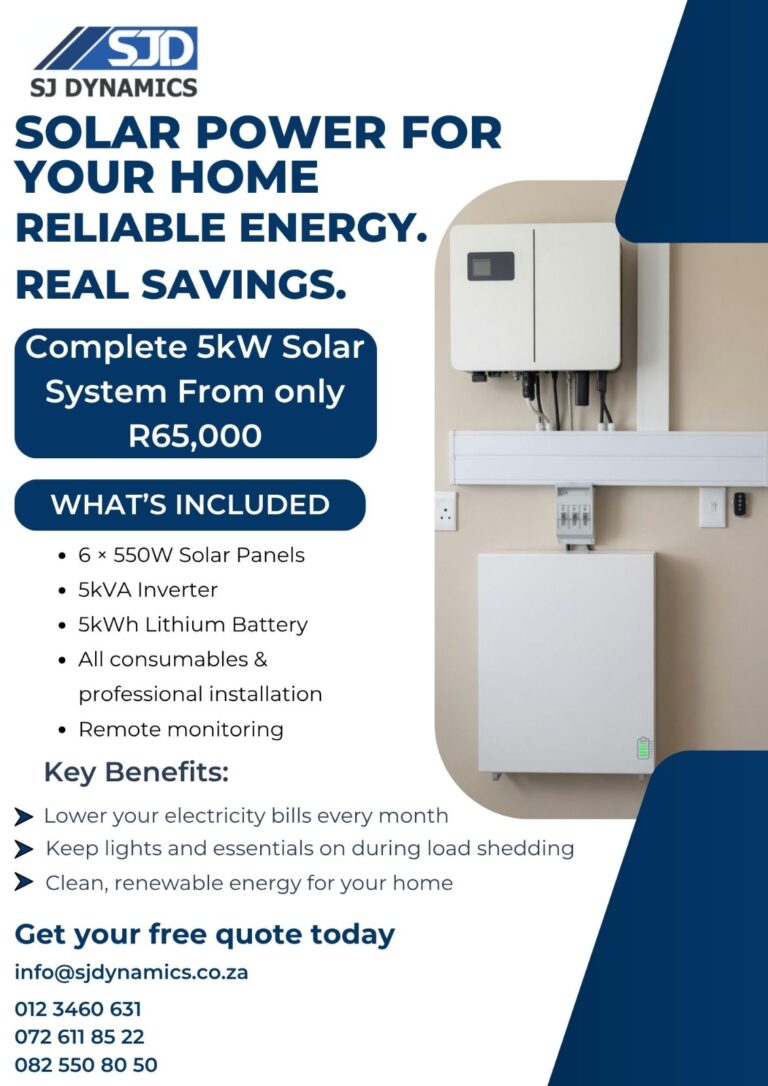
Yes, especially with lithium systems. Many clients begin with a 5kWh battery paired with a 5kVA inverter (our current promotion size) and later add more batteries or solar panels as budget allows. Proper system design from the start makes expansion simple and cost-effective, whether you are mainly protecting against local outages and surges or preparing for a possible return of load shedding.
How big a battery do I need to get through power outages?
For essentials only (lights, Wi-Fi, fridge, TV) most homes are comfortable with 5–10kWh of usable capacity. For longer outages or more appliances you move to 10–15kWh or more. Runtime also depends on how much power you draw — a 5kWh battery lasting 4–6 hours on light loads may only last 2 hours if you run high-power items. We calculate exact capacity based on your actual consumption so you are covered for today’s unplanned cuts and any future load shedding.
What type of battery is best for solar or UPS systems in South Africa?
Lithium (especially LiFePO4) is now the preferred choice for most people: 10+ year lifespan, thousands of cycles, fast charging, and you can expand the bank later. Lead-acid, gel and AGM batteries are cheaper upfront but need more maintenance and replacement every few years. For daily use during outages, voltage fluctuations and the possibility of load shedding returning, lithium usually works out cheaper over the life of the system.
FAQs
Need Help?
Common questions answered